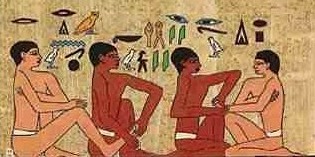
Reflexology is a holistic practice with roots extending back thousands of years. Images depicting forms of foot and hand therapy have been identified in ancient Egyptian tombs dating to approximately 2330 BCE, while traditional healing systems in other cultures, including China, have long emphasized concepts of balance and whole-person wellness.
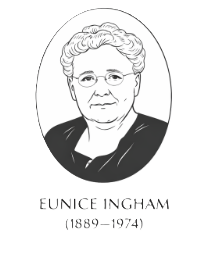
Modern reflexology emerged in the early 20th century through the work of Eunice Ingham (1889–1974), a physiotherapist who, between the 1930s and 1950s, developed detailed maps of reflex points on the feet and hands corresponding to organs and body systems.
Her work was later preserved, expanded, and widely taught by her nephew, Dwight Byers, who founded the International Institute of Reflexology and played a key role in carrying her methods forward internationally. Today, reflexology integrates these historical foundations with contemporary anatomical understanding to support relaxation, balance, and overall well-being.
Reflexology is a complementary wellness practice and is not intended to diagnose, treat, cure, or prevent disease.