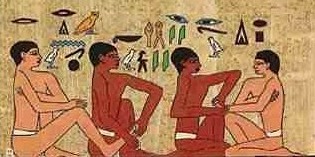
Reflexology is a holistic practice with roots dating back over 4,000 years, with evidence of foot and hand therapy depicted in ancient Egyptian tombs around 2330 BCE, and related concepts found in traditional Chinese traditions emphasizing balance and energy flow.

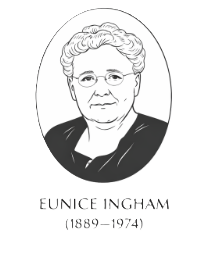
Modern reflexology emerged in the early 20th century through the work of Eunice Ingham (1889–1974), a physiotherapist who, between the 1930s and 1950s, developed detailed maps of reflex points on the feet and hands corresponding to organs and body systems.
Her work was later preserved, expanded, and widely taught by her nephew, Dwight Byers, who founded the International Institute of Reflexology and played a key role in carrying her methods forward internationally. Today, reflexology integrates these historical foundations with contemporary anatomical understanding to support relaxation, balance, and overall well-being.
Principles of Reflexology
Reflexology is believed to work through several complementary, holistic, and integrative mechanisms that support relaxation, balance, and overall well-being. One widely held view is that applying pressure to specific reflex points on the feet, hands, or ears may stimulate nerve pathways, encouraging relaxation and improved communication between body systems and promoting a sense of calm and resilience. Another perspective suggests that reflexology may support circulation and lymphatic movement, helping the body maintain balance and homeostasis in an integrative way. Many practitioners also observe that reflexology encourages a deep state of relaxation, which can help reduce stress and allow the body’s natural self-regulatory processes to function more effectively. Together, these theories describe reflexology as a practice that aligns with holistic wellness principles, supporting the body as an interconnected whole rather than targeting isolated symptoms.
In Washington State, reflexology may only be practiced and represented to the public by a certified reflexologist or a licensed massage therapist in accordance with state regulations (RCW 18.108, WAC 246-831). Official guidance and certification requirements are provided by the Washington State Department of Health.
Highlights of Reflexology Research
An expanding body of research in reflexology is contributing to a better understanding of its role as a gentle, non-invasive complementary therapy. Existing studies suggest that reflexology may support relaxation, help reduce stress, and improve overall well-being, with additional research exploring its potential effects on pain perception, relaxation responses, circulation, and quality of life. While findings vary and research is ongoing, these studies highlight reflexology’s growing relevance within holistic wellness and integrative care settings.
Areas with existing research interest include:
- Stress and anxiety
- Sleep and relaxation
- Supportive care in oncology
- Pediatric populations
- Chronic pain
- Digestive health, including constipation and irritable bowel syndrome (IBS)
- Diabetes-related discomfort and peripheral neuropathy
- Heart and cardiovascular health
- Immune function
- Women’s health
Those interested in learning more about the information shared here can find professional organizations and research-informed sources listed on our Resources page.
Reflexology is a complementary wellness practice and is not intended to diagnose, treat, cure, or prevent disease.